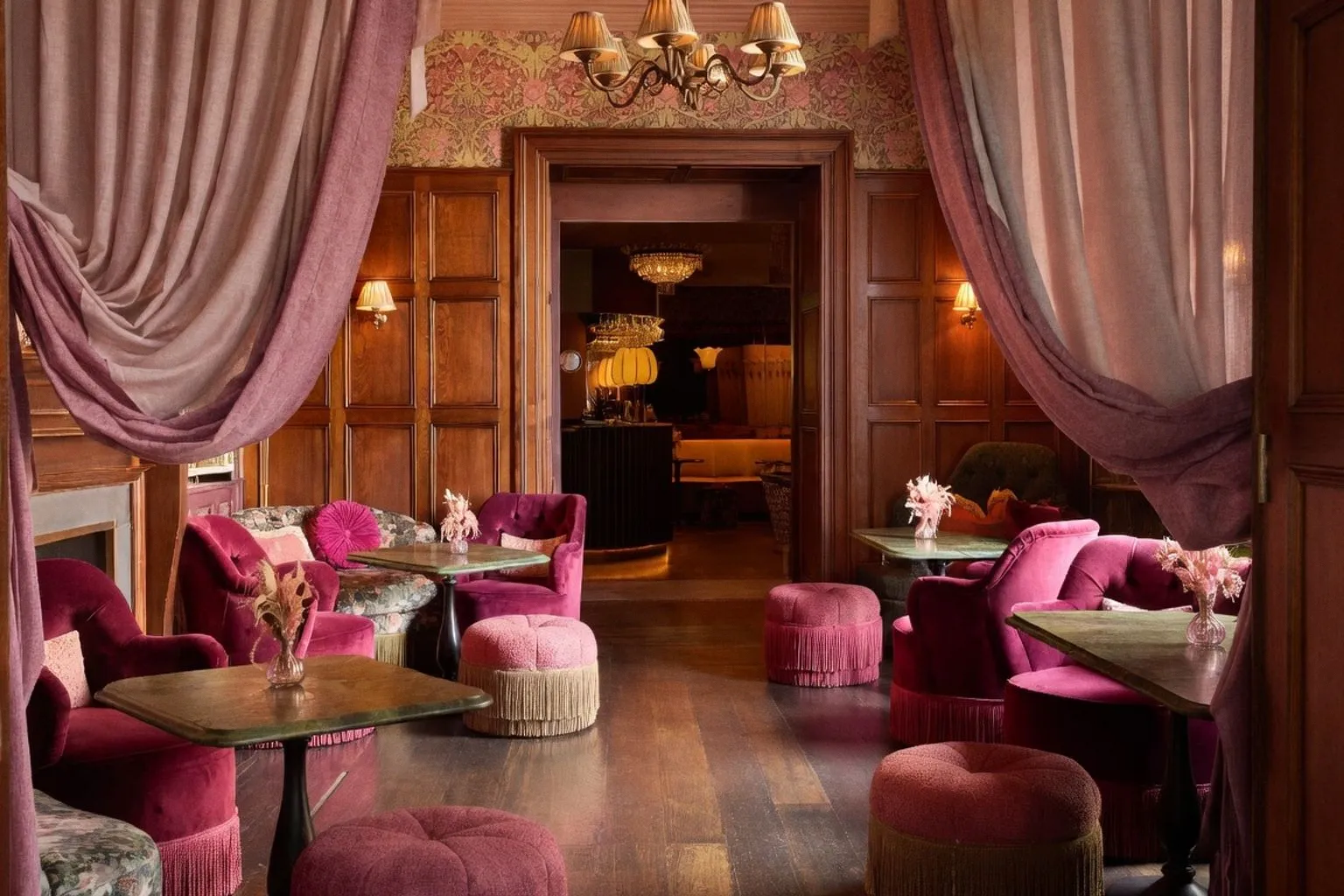
Within hours, edp24 reported that renovation work at the former Royal Court Hotel in Lowestoft has been halted after East Suffolk Council issued a prohibition order, with the building condemned for failing to meet safety regulations. For anyone booking coastal accommodation this autumn, those two stories belong on the same page.
When the glamour lands
The Irish Examiner headline celebrates something it calls a glamorous seaside property, and the language tells you exactly what most readers are buying when they book a coastal stay: polish, ease, the sense that someone has anticipated you. A masterclass, the piece suggests, is rarely about thread counts. It is the cumulative effect of small competent decisions, from a properly pressurised shower to a reception desk that knows your name before you've reached it. That kind of review sets a benchmark, but it also raises a fair question: what does the rest of the market look like when a property genuinely hits that mark, and how do you, the paying guest, tell the difference from the brochure?
What the Lowestoft case actually says
The Royal Court Hotel on London Road South in Kirkley tells the other side of the story, and edp24 has the detail. The building had stood empty for more than a decade before a major renovation began in 2019, intended to convert it into 17 flats under the name Lowestoft Court Apartments. East Suffolk Council issued a prohibition order last year, work stopped, and the council confirms the order remains in force. The landmark is now being offered at auction on behalf of receivers. A substantial seaside property, steeped in history, has effectively been frozen mid-renovation because it could not meet the standards a habitable building is supposed to meet. That is not a glamour story. It is a reminder that "converted" and "safe" are not the same word.
Translating praise into the questions worth asking
This is where a guest advocate earns their keep, and where a review like the Irish Examiner's becomes useful rather than aspirational. When the prose calls a place glamorous, translate it into the specific feature it is describing. A "masterclass in hospitality" usually means someone has sweated the water pressure, the mattress firmness, the kitchen inventory, and the way the space actually flows when two people and a suitcase are moving through it. When a property has a complicated past, a long vacancy, a change of use, a recent conversion, ask directly. Current safety certificates. Fire doors and means of escape. Whether the heating system has been signed off. Whether accessibility has been considered rather than assumed. A hotel can look beautiful in a photograph and still fail the moment you try to walk in with a wheeled case, wheel a pram through the lobby, or navigate a step that nobody thought to mark.
The Irish Examiner's review and the Lowestoft warning are not opposites so much as bookends. One shows what a seaside hotel can be when every detail is taken seriously. The other shows what happens when a building is treated as a project on paper. The guest's job, standing between those two poles, is to ask the dull, practical questions that turn a lovely photograph into a stay you would actually return to.