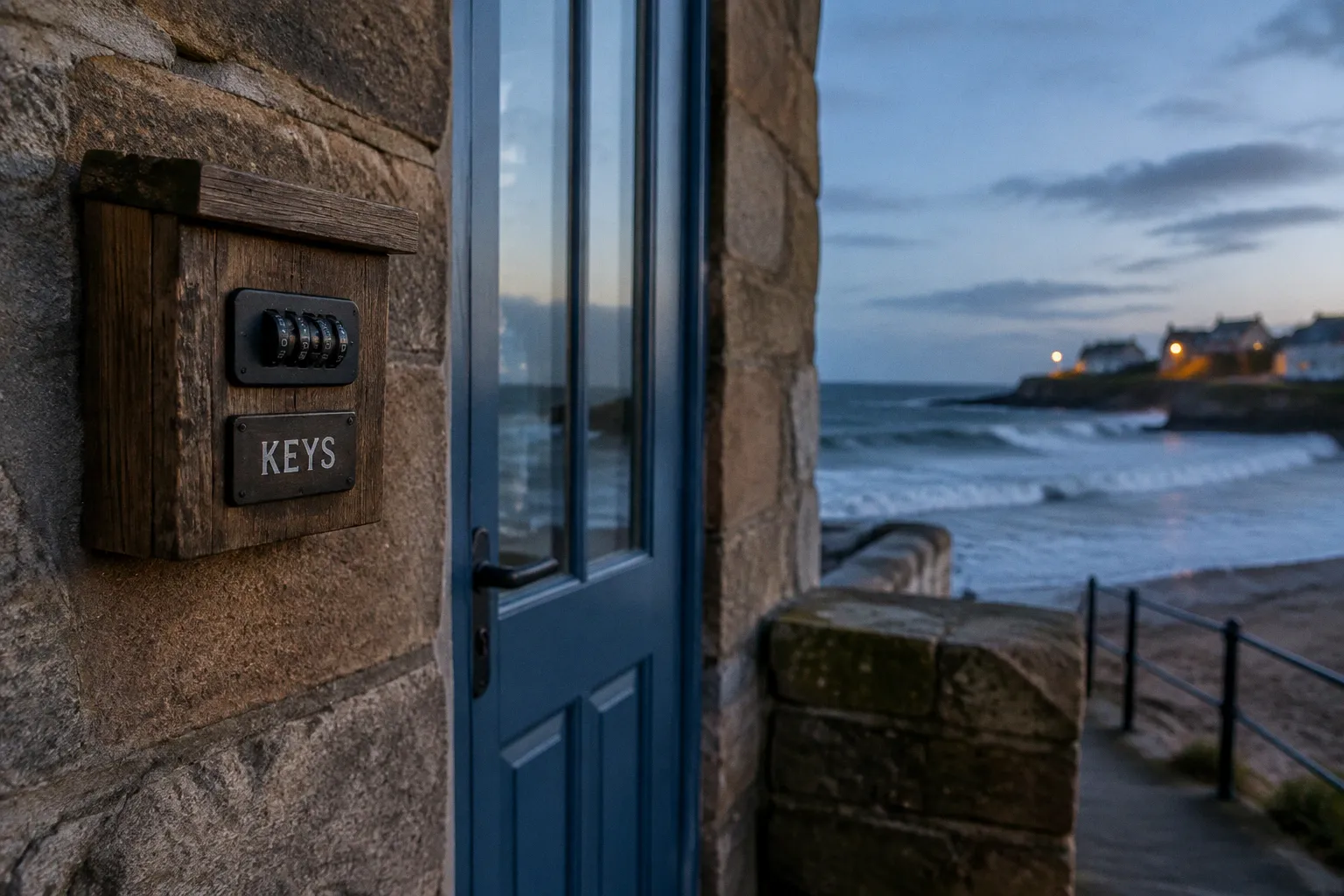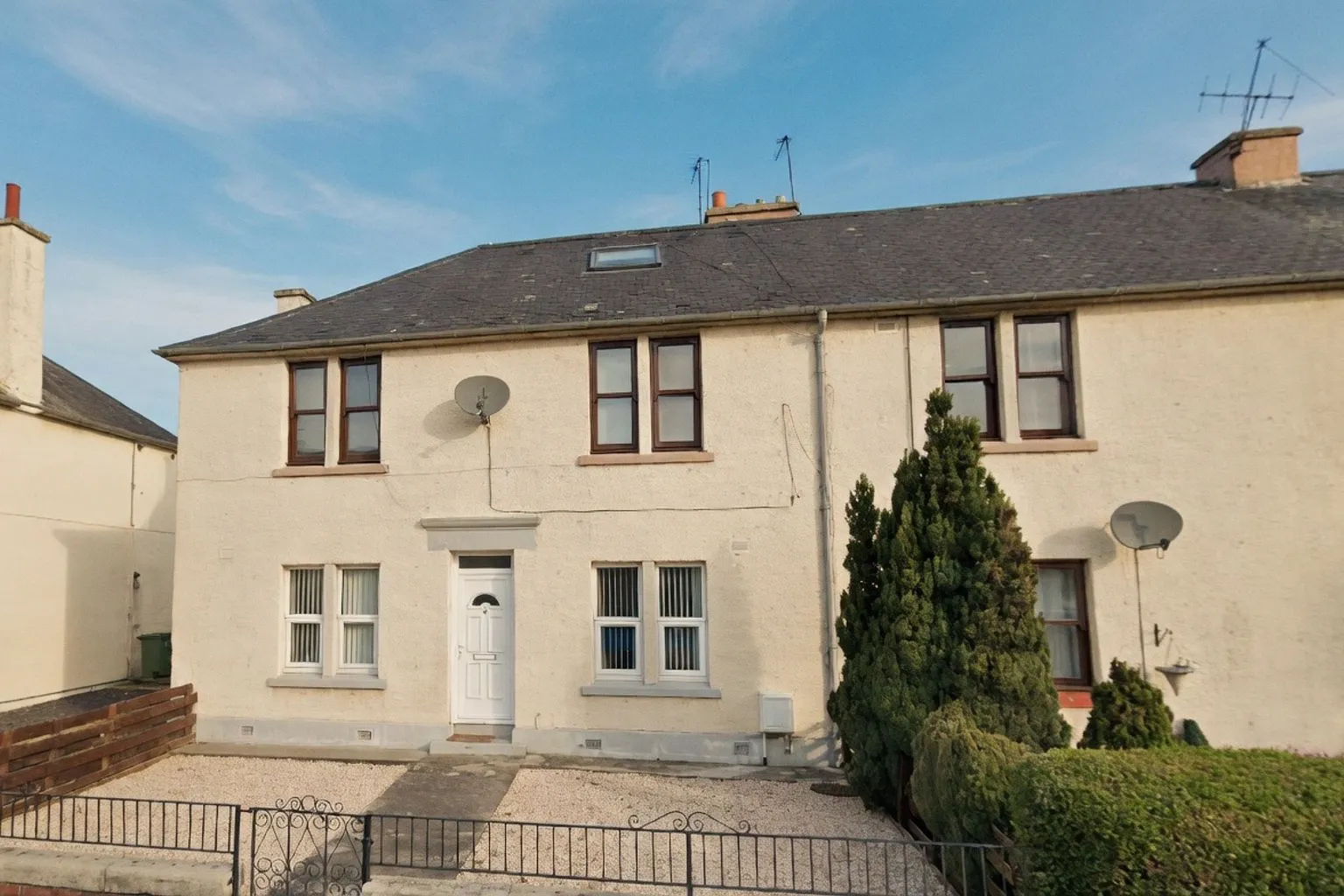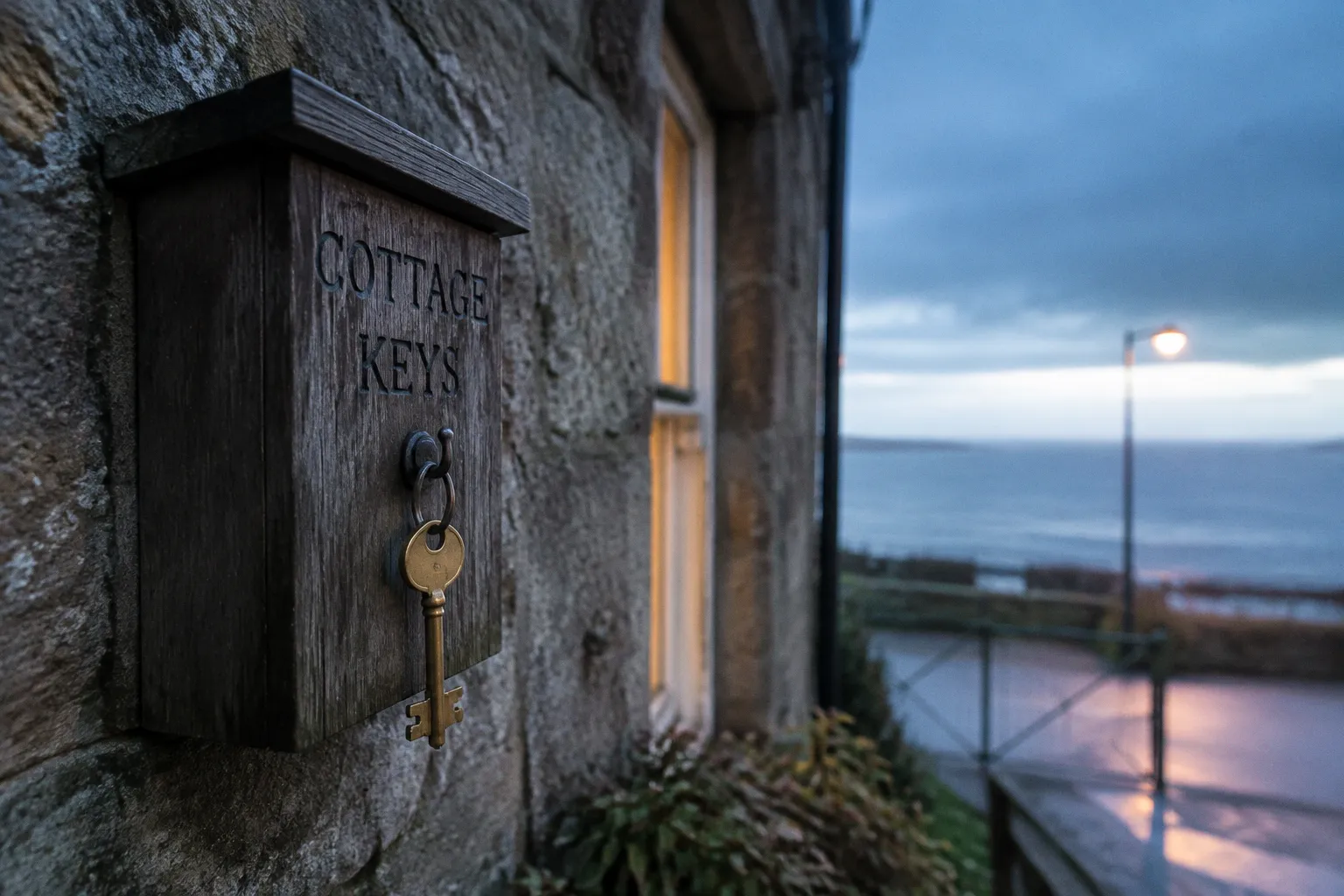
Since the Scottish Government brought its licensing scheme into force, operating a short-term let without that licence has been a criminal offence carrying a fine of up to £2,500, a figure that ought to temper the optimism of any guest dazzled by a low price and a sea view. Most travellers arriving at a Portobello flat, a Joppa cottage, or a North Berwick bolthole never see the paperwork that sits behind the welcome folder, and that is exactly where the trouble begins. The mistakes that ruin coastal self catering holiday cottage experiences are almost never about the building itself. They are about what the listing omitted, what the host skimped on, and what the guest failed to verify before handing over a deposit.
This is a piece built from what stays taught us — the recurring patterns of friction that surface across Edinburgh's waterfront and the East Lothian shoreline, from Musselburgh to Gullane. None of it is glamorous. All of it is, in practice, the difference between a restorative week beside the firth and a frustrating one spent chasing a host who has already moved on to the next booking.
The Legal Landscape: Why an Unlicensed Listing Is a Red Flag
Scotland runs a four-tier licensing system for short-term lets, and understanding which tier applies is the single most useful filter a guest can apply before anything else. The four categories are Home sharing, Home letting, Secondary letting, and Home sharing and letting — together they cover almost every configuration of guest accommodation in the country, from a spare room in a tenement to a dedicated holiday home that stands empty for most of the year. For a self-contained coastal cottage that is rented out as a single unit to successive groups of visitors, the relevant classification is Secondary letting. That is the legal box a host must tick, and the licence that results has to be displayed in two places: inside the property, usually on the wall beside the welcome folder or the kitchen door, and in every online advertisement where the property is offered. A listing without a licence number in its description, its photographs, or its fine print is not a listing that has forgotten a formality. It is a listing that has either not been granted a licence or has not bothered to follow the display rules, and the guest should treat the absence as a warning rather than an oversight.
The cheapest coastal cottage in Edinburgh is rarely the bargain it appears to be — it is almost always the one whose host has not paid for a licence to exist.
The penalty structure reinforces this. Operating without a licence is a criminal offence, with fines of up to £2,500 per property, and the enforcement sits with local authorities who have spent the years since the scheme's introduction gradually tightening how they check listings. Councils vary in pace, but the direction of travel is consistent: more inspections, more cross-referencing against planning records, more willingness to act on neighbour complaints in residential streets like Joppa and Portobello where the boundary between holiday let and family home can be unusually porous. For the guest, this matters in two ways. The first is obvious — an unlicensed property carries genuine legal risk for the host, and a host operating in that shadow is rarely the host who has invested in fire alarms, EICRs, and clean linen. The second is more practical: a licence number, once you know to look for it, is also the easiest way to verify that the property is registered as a Secondary letting rather than quietly being run as something else.
Safety Standards Beyond the Surface: Gas, Electric, and PAT Compliance
A licence is the entry ticket. What it does not guarantee is the condition of the systems behind the walls, and this is where coastal properties diverge sharply from their inland cousins. The salt-laden air that rolls in off the Firth of Forth does not damage a cottage politely — it corrodes external fixtures, works moisture into electrical fittings, and accelerates the wear on anything metallic that is not regularly maintained. The Scottish short-term let conditions that accompany a licence recognise this implicitly. Hosts must hold a Gas Safety Certificate dated within the last twelve months, an Electrical Installation Condition Report (EICR) covering the fixed wiring of the property, and a Portable Appliance Testing (PAT) report for any electrical item the guest can actually reach. These are not aspirational standards. They are the minimum the local authority expects to see when it inspects, and the host is responsible for renewing them on a cycle that does not always match the booking calendar.
| Compliance Document | What It Covers | Validity Cycle | Guest Verification Cue |
|---|---|---|---|
| Gas Safety Certificate | All gas appliances and flues | 12 months | Ask for a copy dated within the last year |
| EICR | Fixed electrical installation | Up to 5 years (typically) | Ask for the most recent report summary |
| PAT Report | Guest-accessible portable appliances | Annual or per appliance | Look for visible test labels on kettles, lamps, heaters |
The reason this matters in a coastal context is that gas and electric compliance failures rarely announce themselves. A boiler that fails its pressure test will simply refuse to fire on a haar-heavy morning when the cottage is at its coldest. A degraded EICR will sit quietly until a guest plugs in a phone charger and trips the circuit at midnight. A kettle that has not been PAT-tested does not look any different from one that has. None of this is theoretical — it is the texture of the complaints that fill review sections for seaside properties every autumn, when the first cold snaps arrive and the season's shortcuts become visible all at once. A guest who asks, in writing, for the dates of the most recent gas and electrical certificates before paying a deposit is not being difficult. They are doing the work the host should have done already.
The Comfort Gap: Why Heating Controls and Bed Quality Define Your Stay
Beyond the compliance paperwork lies the more intimate failure mode of coastal self catering: the gap between what a listing photographs and what a guest actually sleeps on. Heating and bedding are the two categories that generate the most disproportionate volume of guest dissatisfaction, and they do so for reasons that have very little to do with aesthetics. A cottage can be beautifully decorated and still be uninhabitable on a February weekend if the heating system is poorly understood, undersized, or controlled by a thermostat located in a hallway that no guest ever walks down. Conversely, a modest flat with a straightforward combi boiler and a thermostat the guest can read in five seconds will outperform a designer renovation every time the haar rolls in from the east.
The same logic applies to beds. Coastal cottages are often older properties — converted fishermen's dwellings, nineteenth-century villas, post-war bungalows — and their bedroom layouts were rarely designed for the volume of adult guests a holiday let now receives. Adult visitors assigned to undersized bunk beds, beds with restrictive footrests, or convertible sofas marketed as doubles are a recurring source of mid-stay complaints, and the listings almost never disclose this honestly. A photograph of a bed in a small room is not the same as a measurement, and a bunk room advertised as suitable for two adults is almost always suitable for two children.
A listing that tells you how many people a property sleeps, but not how it sleeps them, is a listing that has decided which complaint it does not want to receive.
The practical defence against this is unglamorous and effective. Guests should ask for the bedroom dimensions, the type of mattress in each room, and the location of the heating thermostat. They should ask whether the property has been occupied in winter, not just in July. A host who answers these questions with specifics — square metre counts, mattress brands, thermostat models — is a host who has thought about the stay in the same terms the guest will. A host who answers with generalities is a host who has not.
Cleanliness and Turnover: The Hidden Reality of Seaside Maintenance
Cleanliness deficits are the single leading cause of negative guest reviews for holiday cottages across the UK, and the coast amplifies the problem. Sand tracked across floors, salt residue on glass, condensation damp in wardrobes, mildew on shower curtains — none of these are failures of intention. They are the predictable by-products of a property that sits within a hundred metres of a tidal shoreline, opened and closed every weekend by different groups of visitors, and cleaned on a turnaround that is often tighter than the booking system suggests. Professional turnover cleaning is not a luxury in this context. It is the difference between a property that ages gracefully and one that visibly deteriorates over a single season.
The signs are readable in advance, but only if the guest looks. A listing that does not describe its cleaning protocol in any detail is usually a listing that does not have one. A host who provides a check-in time after 4pm and a check-out time before 10am is a host who has, at least, thought about the window a cleaner needs. A welcome folder that lists the cleaning supplies kept in the property is a small but reliable signal that someone with professional habits has prepared the stay. None of these are guarantees, but together they form a pattern that experienced coastal visitors learn to recognise.
The harder truth is that turnover cleaning in a seaside property costs more than turnover cleaning inland, and the hosts who absorb that cost honestly are usually the hosts whose prices reflect it. The cheapest coastal cottage in any given week is rarely cheaper because the host is generous. It is cheaper because something has been cut — cleaning hours, linen quality, maintenance visits, or the licence itself. Guests who book on price alone are selecting, by definition, for the properties where those cuts have been made.
Navigating Listing Transparency: Spotting Inconsistencies Before You Book
The final layer of mistakes sits in the gap between the listing and the reality, and it is here that the cumulative discipline of everything above pays off. A consistent listing will tell the guest the licence number, the property type, the bedroom dimensions, the heating system, the cleaning protocol, and the check-in window, all in language that does not flinch from specifics. An inconsistent listing will rely on adjectives where it should be using nouns, on photographs where it should be using measurements, and on the guest's willingness to assume that the sea view extends past the bedroom window.
The practical discipline is straightforward. Before paying a deposit on any coastal self catering property in Edinburgh or East Lothian, the guest should ask, in writing, for the STL licence number; the dates of the most recent Gas Safety Certificate, EICR, and PAT report; the dimensions and mattress types of each bedroom; the location and type of the heating thermostat; the cleaning provider and turnover window; and the local authority in which the property is registered. None of these questions is unreasonable. Every one of them is the kind of question a host with a properly licensed, professionally maintained property will answer without hesitation, because the answers are sitting in a folder the host already keeps for the inspector. A host who cannot or will not answer them is not a host who has forgotten to update a listing. They are a host who has chosen, deliberately, not to be findable.
The coastline from Joppa to North Berwick, from Portobello to Longniddry, is studded with properties that take their hospitality seriously — places where the licence is on the wall, the certificates are in date, the heating works on the first press, and the beds are sized for the people who will sleep in them. They tend not to be the cheapest, and they tend not to advertise themselves in the language of escape or indulgence. They are the properties where the welcome folder is typed rather than handwritten, where the Wi-Fi code is printed rather than texted, and where the host replies to a maintenance question within the hour. The mistakes this article is built around are not the mistakes those hosts make. They are the mistakes that happen when a guest books, and a host operates, without the structures that licensing was designed to impose.
The firth will continue to do what it does — bring haar in summer, salt air in winter, and a tide that turns twice a day regardless of who has booked which cottage. None of that is within the host's control. What is within the host's control, and what is now within the guest's ability to verify, is everything that sits between the front door and the bedroom window. Coastal self catering in Edinburgh works beautifully when that work has been done, and visibly fails when it has not. The lesson, repeated across enough stays, is that the guest who asks the right questions before booking rarely needs to ask anything else during the stay.