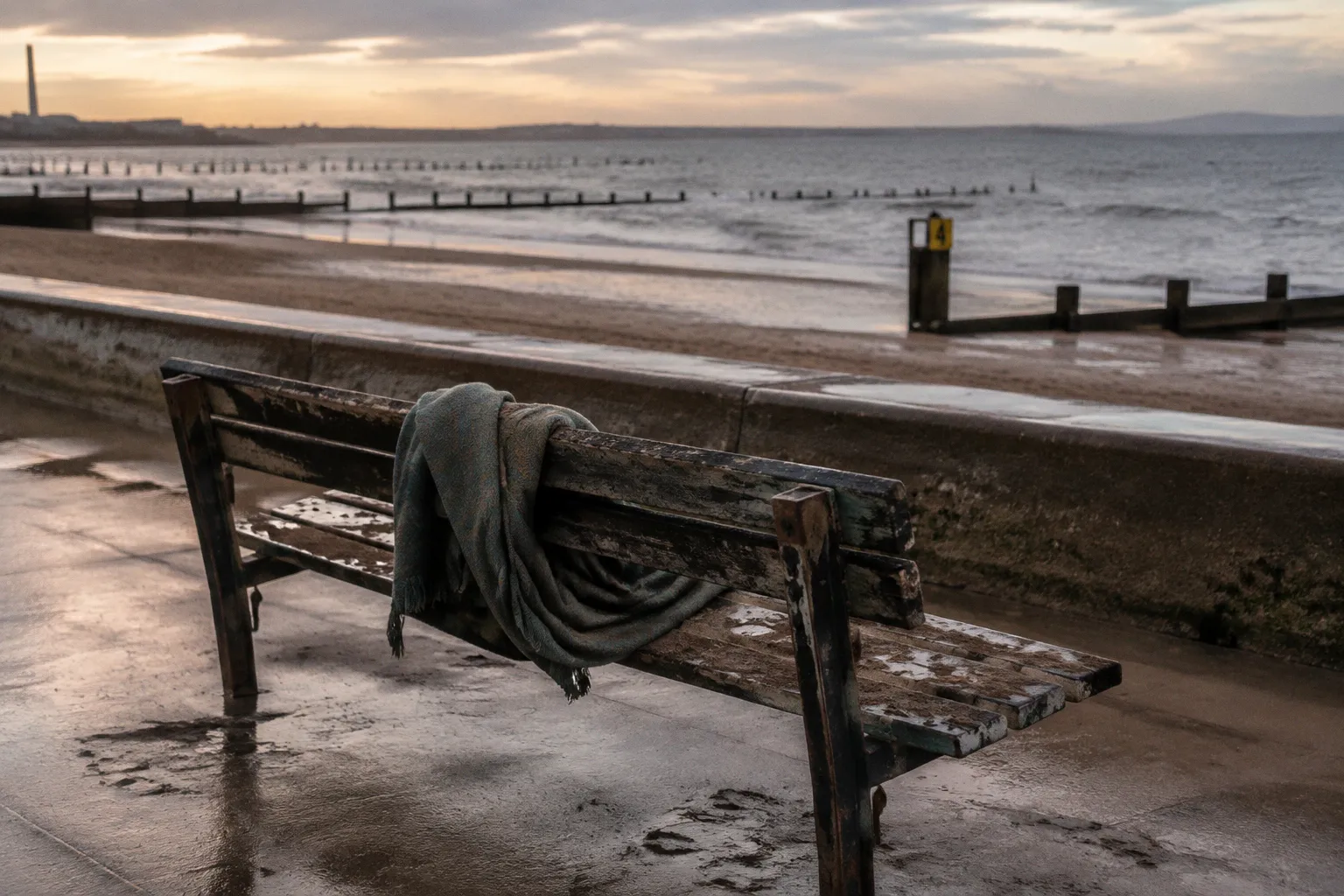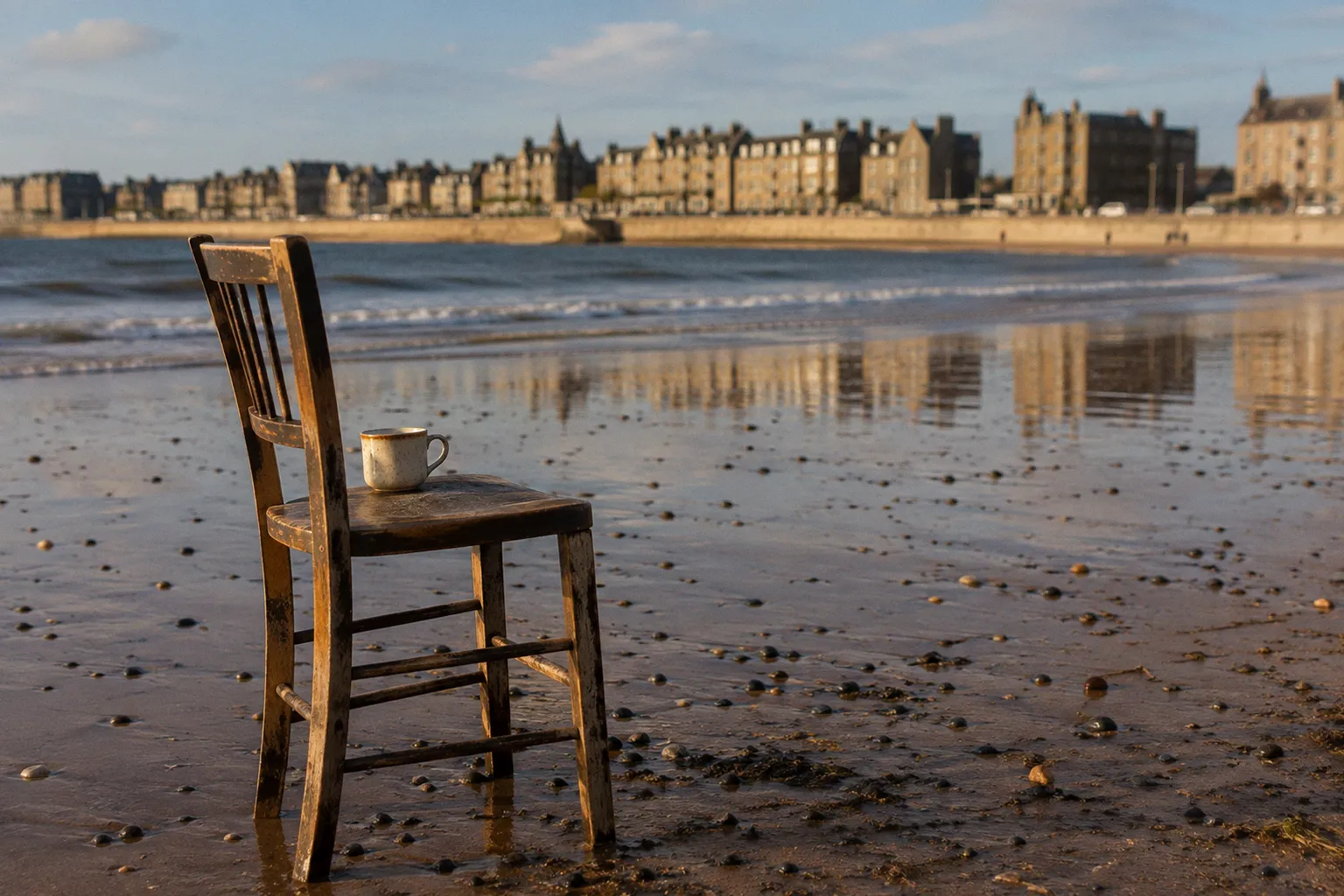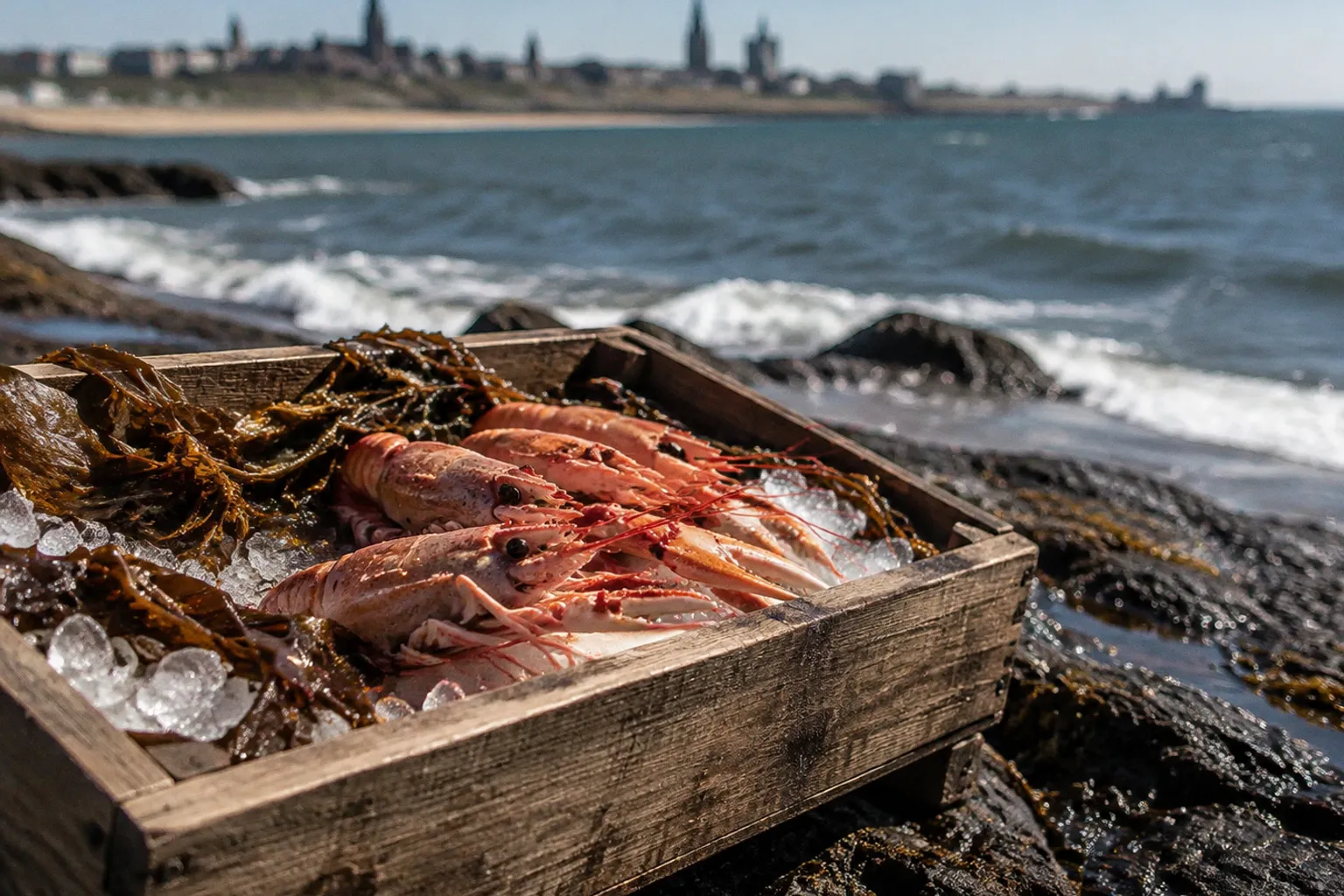
To the north, the working harbours of Newhaven and Leith still groan with crates of langoustines at dawn, the smell of creels and brine rising from the stone piers; to the east, the long crescent of Portobello and the quieter stretch at Joppa offer a softer, more recreational coast, where Victorian esplanades, contemporary seafood bars and the slow drift of the John Muir Way define the rhythm of the day. Between them sits the full geography of Edinburgh coastal seafood dining experience — a story written as much by 17th-century watchtowers and harbour villages as by the menus of today's chefs.
The visitor looking for the best seaside seafood Edinburgh has to offer soon learns that the city does not present a single, tidy view of fishing boats and candlelit quayside tables. The experience moves instead through a sequence: a stone-built oyster bar inside a working fishmonger in Newhaven, a panoramic seafood restaurant perched on the dunes at Joppa, a shoreline bistro on the Portobello esplanade, and a timbered dining room tucked into the base of a centuries-old Leith tower. Read together, these places sketch a coastline older than any single restaurant and broader than any single menu.
The Two Coastal Theatres: Working Harbour and Pleasure Promenade
Newhaven and Leith were built to handle the catch, and the architecture of their waterfronts still shows it. Their piers continue to host the small trawlers and day-boats that supply the langoustines, crab, mussels and oysters found across Edinburgh's seafood restaurants, even when those restaurants sit a bus ride east on the promenade. Most of the commercial seafood served along Edinburgh's coast does not actually land on Portobello beach itself; it arrives via the established harbour infrastructure of Newhaven, Leith, and the East Lothian ports further east. Recognising the distinction matters when reading a menu's claim to locality. A restaurant on the promenade may still be tied closely to a Newhaven wholesaler a few miles west, and that link — the route the catch takes from boat to plate — is part of what defines the firth of forth seafood spots on any honest map.
Portobello and Joppa represent a different shoreline logic. Where the harbour districts grew out of trade and tide, Portobello's esplanade was laid down in the Victorian era as a pleasure ground, and the contemporary dining culture along it is built for the visitor who arrives by bus, by bike, or on foot along the coastal path. The seafood restaurants here tend to be daytime-facing: bright rooms with full-height windows, terraces that catch the afternoon sun, and menus designed to be read in sections while looking across the firth toward Fife. The food is excellent; the architecture of the experience is more relaxed, and the rhythm of the room follows the weather and the neap tide rather than the kitchen's evening service.
Newhaven's Maritime Heritage and the Hour of the Oyster
A short walk from the foot of Leith Walk, The Fishmarket at 23a Pier Place is the clearest expression of what a fishmonger's shop becomes when it decides to cook its own catch. The bar and restaurant is a collaboration between Welch Fishmongers and the team behind Ondine, one of Edinburgh's best-known seafood kitchens, and the room still carries the faint smell of brine and crushed ice. The menu treats the catch with the directness you would expect from a fishmonger who has chosen to feed people what they sell.
The Oyster Happy Hour runs from 4pm to 5pm, Sundays excepted, and a single oyster costs £1.50 during that window — a price that reflects the relative abundance of rock-classified oysters in Scottish waters and the building's daily rhythm as a fishmonger first and a restaurant second. The lesson here is procedural. Anyone planning to anchor an afternoon around Newhaven's seafood should set a timer: arrive early, walk the harbour wall, watch the day's catch come in if the boats are running, and be seated by quarter to four. Five o'clock arrives quickly in February light, and the kitchen transitions from happy hour to its main menu without much ceremony.
A working fishmonger that also cooks its own catch teaches the visitor more about the firth than any printed menu ever could.
Beyond the oysters, the menu leans on shellfish prepared with restraint — dressed crab, langoustines served simply, and small plates that shift with what the boats brought in that morning. The architecture of the room — tiled, plainly lit, built for function rather than theatre — is itself a kind of teaching tool. Newhaven does not need to perform its maritime heritage; the sound of the gulls and the smell of the harbour do that work instead.
Joppa and Portobello: Waterfront Views and Contemporary Shoreline Menus
Drive or cycle east from Newhaven along the coast road, past the curling Victorian tenements of Portobello and the long crescent of sand that gives the district its name, and you arrive at Joppa — the eastern end of the promenade and a quieter stretch of shoreline where the dunes begin to push back against the city. At 84 Joppa Road, directly on the Portobello shoreline, Joppa Rocks Seafood Restaurant & Bar makes the most of its position: a full-length window wall facing the firth, a terrace where the haar — that cold sea fog that rolls in from the North Sea on spring evenings — occasionally softens the view, and a menu built around shellfish and cocktails rather than the heavier, batter-driven dishes associated with the traditional British seaside.
The panorama from the dining room is part of the proposition. On a clear day, the eye runs across the firth toward Fife, picking out the outline of the Bass Rock, the conical bulk of North Berwick Law, and the distant green hills of the East Lothian coast. On a haar afternoon, that horizon disappears entirely, and the restaurant becomes a glass-walled room suspended in grey light — a different kind of shoreline experience, but a recognisable one for anyone who lives along this coast and has learned to read its weather.
Closer to the centre of Portobello, the Portobello Beach Cafe & Bistro writes a more accessible menu, with prices that match the esplanade's casual rhythm. The kitchen is unfussy and the seafood is central:
| Dish | Price |
|---|---|
| Seafood Pasta — white wine cream, smoked salmon, calamari, smoked haddock, shrimp, octopus | £17.00 |
| Mussels with garlic sourdough, marinara sauce | £8.00 |
| Beer Battered White Fish & Chips | £15.50 |
These are not the prices of a tasting menu, and they are not positioned as such — they are the prices of a coastal dining experience aimed at a beach-going public, sitting comfortably next to the chips-and-ice-cream economy of the wider promenade. The lesson is one of proportion: not every good seafood meal in Edinburgh needs to be a ceremony, and the promenade's dining rooms know it.
The promenade teaches a different kind of seafood lesson: that the firth can be enjoyed as a backdrop without becoming a museum piece.
Leith's Architectural Anchors: Dining Within Old Stone Walls
Leith's seafood story is older than any other along this coast, and its buildings carry more weight — sometimes literally. At 1 Shore, Fishers sits at the base of a 17th-century Leith watchtower, a thick-walled survivor of the era when the port answered to its own magistrates and the river-mouth defences mattered more than the city walls further inland. The dining room opens directly onto the quay, and the thick stone of the old tower forms one of its walls. The menu leans on the same firth as every other Edinburgh seafood restaurant, but the setting — a building that has watched over the water for roughly four hundred years — adds a layer of context that no interior designer can replicate.
A short distance along the waterfront, The Ship on the Shore takes a more theatrical approach, and its Seafood Paella Royale sharing platter is the headline act. The dish lands a whole Scottish lobster, king scallops, salmon, haddock, mussels and clams in a single pan, intended to be carried to the table and opened at the centre of the group. It is a generous, almost ceremonial piece of cooking, and it shows how the same coastal catch can be reframed for a longer, slower evening — a clear contrast with the quicker, daylit seafood service that dominates Portobello and Joppa. The lesson is one of pace. Leith's seafood rooms are built for the table that has booked ahead, ordered a bottle of something cold and white, and intends to stay for two hours or more.
Sourcing, Seasons and the Honest Question
Any guide to Edinburgh's coastal seafood will eventually run into a question that visitors rarely ask but locals think about often: where, exactly, does this catch come from? The honest answer is more interesting than a clean one. Most commercial shellfish landed in this part of Scotland does not come ashore on Portobello beach. It is brought in at Newhaven, Leith, and the East Lothian ports further east — places like Cockenzie and Port Seton — before being distributed through wholesalers to restaurants across the city, including those on the promenade. A small number of boats still work directly out of Newhaven for the day-boat market, but the volume required to supply a full restaurant menu arrives through established harbour channels.
This is not a criticism of Edinburgh's seafood restaurants. It is, instead, a description of how the firth actually feeds the city, and it gives the visitor a more useful tool than any marketing language about "locally landed" or "day-boat." A few practical markers help:
- Menus that name the boat, the harbour, or the specific day of landing are usually telling the truth about a short supply chain.
- Menus that name only the species and the cooking method are usually telling the truth about a longer one.
- Both are honest — the difference is not about quality, but about knowing what you are ordering and where it sits in the firth's wider fishing economy.
Seasons matter, too. Langoustines are at their best in the colder months. Oysters follow a traditional rule about eating them only in months that contain the letter R, a folk guideline that broadly tracks the shellfish's spawning season. Mussels are reliable year-round but peak in autumn and winter. Crab and lobster vary with the weather and with the annual quotas set by the Scottish Government. A seafood restaurant that prints a menu which shifts with these patterns is paying attention to its own supply chain. A seafood restaurant that prints the same menu in March and August is usually drawing from a wholesaler with broad, year-round stock rather than from a single boat.
The firth teaches a slower kind of literacy: how to read a menu, and how to recognise what is seasonal rather than what is just printed.
Putting the Shoreline Together
Taken together, the best seaside seafood Edinburgh has to offer is not a single venue or a single recommendation. It is a sequence, and the sequence is geographic. Begin at Newhaven for the working harbour, the £1.50 oyster between 4pm and 5pm at The Fishmarket, and the shortest supply chain in the city. Move east along the coast road to Portobello for the promenade's casual seafood service at the Portobello Beach Cafe & Bistro, where mussels at £8.00 or fish and chips at £15.50 sit comfortably in a beach-going afternoon. Continue to Joppa for the panoramic dining room at Joppa Rocks and the firth laid out across the windows, especially when the light clears late in the afternoon. End, if there is time and appetite, in Leith, where Fishers leans against its 17th-century watchtower and The Ship on the Shore brings the day's best shellfish to the table as a sharing platter.
Each of these places offers a slightly different lesson in what Edinburgh's coast is, and what its seafood dining can be. Newhaven teaches honesty and the value of a fishmonger who also cooks. Portobello teaches the casual pleasure of a shoreline menu read against the esplanade. Joppa teaches geography — the firth as a wide, weather-shaped room. Leith teaches architecture and history, and how the old harbour walls continue to frame what is eaten at their base. The seafood is excellent. The shoreline that delivers it is worth slowing down for.