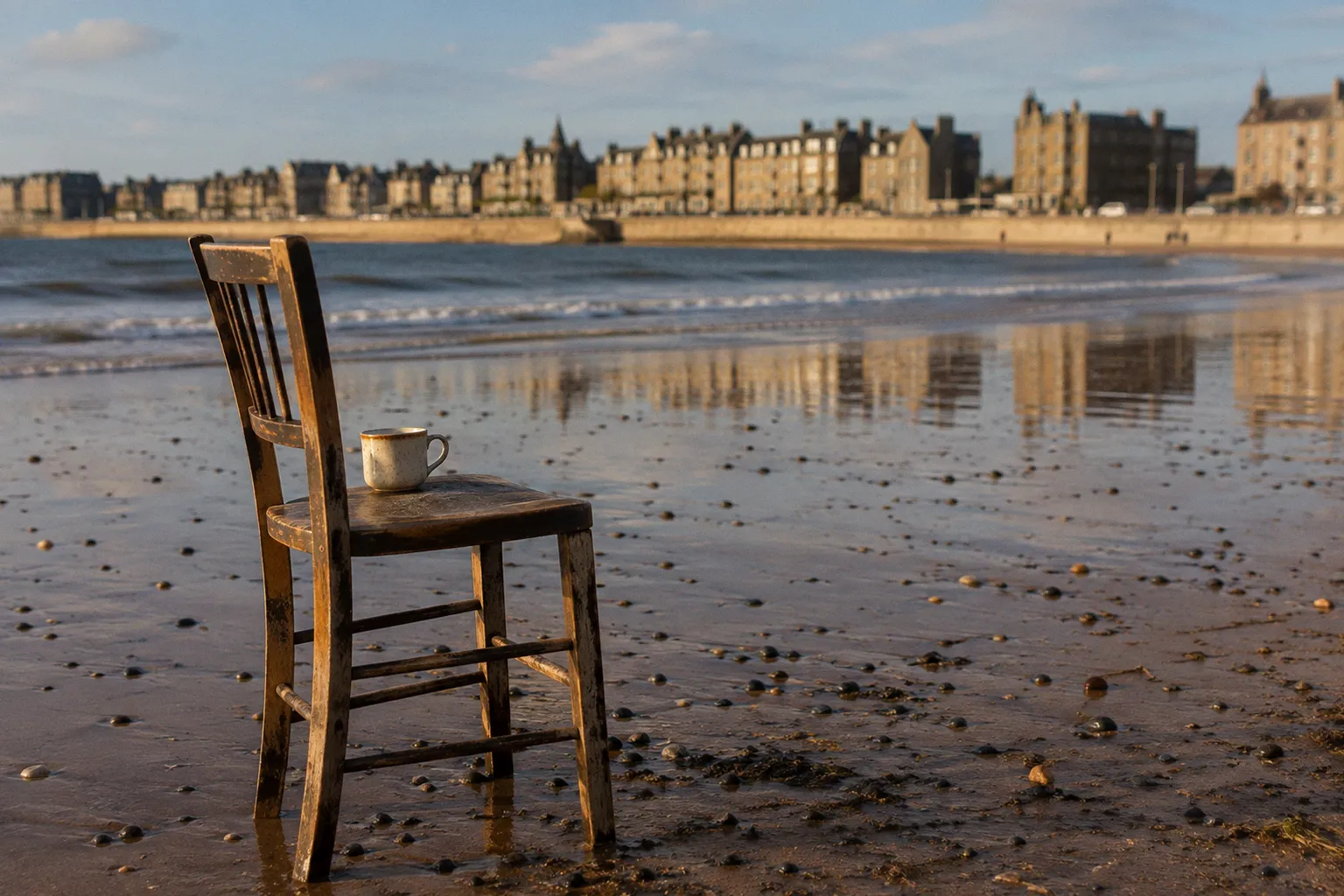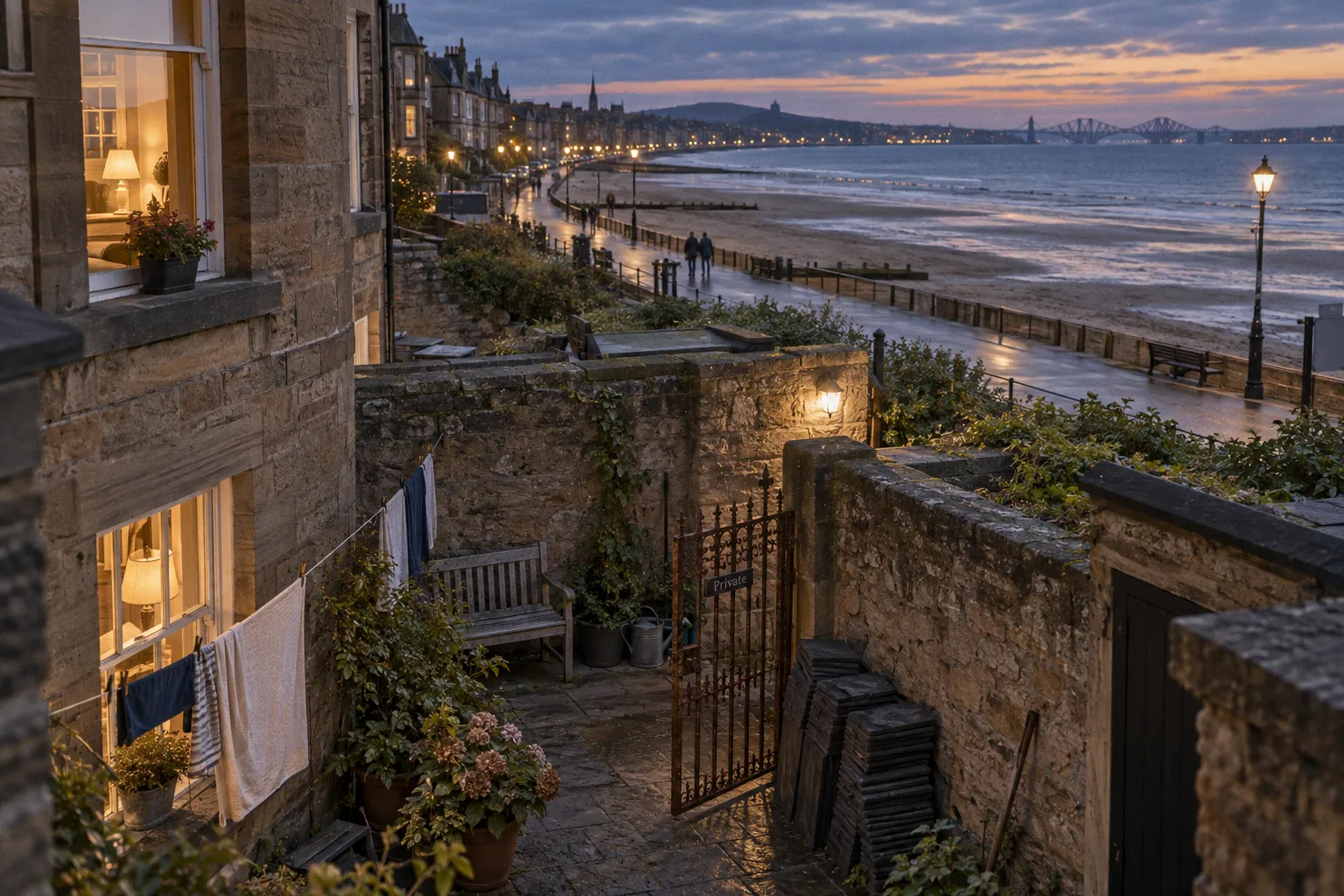
The beach and paved seafront path are free to access around the clock, all year, while many nearby businesses shorten their hours towards the late afternoon, when the light leaves the Firth of Forth and the wind begins to carry more weight than it did at midday.
That distinction explains most of the confusion around Portobello promenade winter cafe hours. The shoreline is not closed. A walk from Portobello towards Joppa is still possible, and often rewarding, but the hospitality rhythm changes. Breakfast and early lunch are easier to find than an unplanned evening meal; a warm drink at four o’clock is more realistic than one at seven; and the difference between a weekday and a Friday can be as significant as the difference between August and January.
For visitors staying near the beach, the practical lesson is simple: treat the promenade as an open coastal landscape, not as a continuously serviced resort strip.
The rhythm of the Victorian promenade
Portobello’s seafront is not a new leisure quarter assembled for passing visitors. The Victorian Promenade dates from 1864 and runs for approximately one to two miles along the Firth of Forth. Its long, level path joins the beach, older terraces, cafés, residential streets and the approach to Joppa, creating a public edge that belongs as much to daily Edinburgh life as it does to weekend outings.
Three miles from the city centre, Portobello occupies an unusual position. It is close enough to be part of Edinburgh’s ordinary urban movement, yet its weather is governed by the firth. The promenade’s atmosphere can alter within an hour: a bright morning can draw runners, dog walkers and families towards the sand, while a haar or a hard onshore wind can empty the benches before the day has properly begun.
Cafés respond to that geography. Their winter schedules are shaped by several conditions working at once:
- Shorter daylight: the most natural period for promenade trade ends earlier, particularly from late autumn onwards.
- Lower seasonal footfall: fewer people are making an unplanned beach visit on a cold weekday afternoon.
- Coastal weather: rain, haar, wind and sudden changes in temperature affect both outdoor seating and the number of people willing to linger.
- Municipal seasonal adjustments: public facilities, including toilets and some street-level services, reduce their hours outside the main summer period.
- The nature of the promenade itself: Portobello is a public shoreline rather than a gated attraction with a single operating timetable.
This is why seasonal cafe closures in Portobello are often described too dramatically. Some temporary vendors may disappear for parts of the winter, and individual businesses may close on certain days, but it does not follow that every café shuts completely. Many remain open, with the service day compressed towards breakfast, lunch and the earlier part of the afternoon.
In winter, Portobello does not close; it becomes more exacting about when a coastal visit turns into a meal.
What winter cafe hours usually look like
The broad pattern along the promenade and nearby streets is an opening around 09:00 or 10:00, followed by a late-afternoon close around 17:00. That is not a universal timetable, and it should not be treated as one. Individual businesses may take rest days, alter their hours during storms or extend service for a particular evening.
Still, it is a useful working map for anyone planning Edinburgh seaside winter dining. The promenade is more dependable for coffee, breakfast, soup, baking and an early lunch than for a late dinner. If the day begins with a coastal walk, most visitors will find the arrangement convenient. If the plan is to walk the shore at dusk and then look for an open café without checking ahead, the same arrangement can become inconvenient very quickly.
Rising Tide Cafe, at 324 Portobello High Street, illustrates the newer pattern. Opened in late February 2025, it generally operates from 09:00 to 17:00 on Monday through Thursday, Saturday and Sunday, with a later closing time of 22:00 on Fridays. That weekly variation matters. It suggests a local hospitality model that remains rooted in daytime coastal traffic while creating a deliberate evening window rather than maintaining late service every night.
A practical reading of the schedule looks like this:
| Visit time | What is usually easiest to find | What may be limited |
|---|---|---|
| Morning, around 09:00–10:00 | Coffee, breakfast and baked goods at businesses that open early | Some smaller venues may open later or keep limited weekday hours |
| Late morning to early afternoon | The strongest period for café service and a post-walk meal | Outdoor seating may be uncomfortable in wind or rain |
| Around 16:00–17:00 | A final hot drink or early meal at venues still trading | Several promenade cafés may be preparing to close |
| Evening | Selected restaurants or businesses with specific late openings | Casual café choices become much narrower, especially midweek |
| Fridays | A better chance of extended hospitality hours | The later opening is venue-specific, not a promenade-wide rule |
The difference between a café and a restaurant is also important. A place designed around daytime counter service can reduce its hours without changing its identity. An evening restaurant may operate on a separate schedule, sometimes further inland or along the High Street rather than directly on the sand-facing stretch. Visitors searching for a “Joppa beach cafe winter schedule” should therefore widen the geography slightly: Joppa, Portobello High Street and the promenade function as one coastal neighbourhood, but they do not offer identical trading patterns.
The beach stays open when the services do not
Portobello Beach and the paved promenade remain accessible 24 hours a day, year-round. That makes the coastline unusually flexible in winter. You can walk before breakfast, follow the shore after an early meal, or return to the waterline after the cafés have closed. There is no admission gate and no seasonal barrier separating the visitor from the beach.
The public facilities are less constant. During summer, public toilets along the promenade typically operate from 10:00 to 18:00, while council-managed facility hours are reduced during winter. This is one of those details that barely registers on a bright July afternoon but becomes central on a cold January walk, particularly for visitors travelling with children, older relatives or anyone planning to stay out along the full stretch.
The promenade’s infrastructure is part of the experience, not a neutral background. Benches, lighting, toilets, access points and food outlets determine how long people can remain by the shore and how far they are comfortable walking before turning back. A café closing at 17:00 is not merely a commercial decision; in winter it marks the point at which the coastline becomes more self-sufficient. After that, the visitor relies on a coat, a phone, a pre-arranged meal and knowledge of where the next open premises are likely to be.
The City of Edinburgh Council has developed plans for a promenade masterplan from Kings Place to Joppa, supported by the Visitor Levy Transformation Fund. The proposals include improvements to public spaces, modern public toilets and street furniture. Such changes will shape the visitor experience over time, but they should not be confused with a promise of longer café hours. Better public infrastructure can make a winter walk more comfortable; it cannot create daylight, remove the haar or guarantee that a small independent business can support a late service on a quiet Tuesday.
Why the Firth sets the timetable
The Firth of Forth is not simply a scenic horizon behind the cafés. It is the reason the promenade behaves differently from a city-centre street.
At the coast, daylight is felt physically. In winter, the usable period for outdoor tables narrows, and the people arriving for a walk are more likely to make a single purposeful stop rather than drift between several venues. A bright but cold day may bring a strong morning trade and a rapid decline by mid-afternoon. A wet day can alter the pattern further, pushing demand indoors and concentrating it around the cafés with enough space, heat and food to justify the journey.
Wind direction matters as well. Portobello’s buildings and promenade may offer shelter in one section and expose visitors in another. A still morning can turn into a raw afternoon as the tide and weather move across the firth. Coastal cafés have to staff and heat their premises for a trade that is less predictable than the summer promenade crowd.
This is why it is misleading to measure winter hospitality only by whether a venue is open or closed. The more useful question is whether the business is operating in the way a visitor needs at that particular moment.
A café may be open but have no outdoor seating. A venue may serve food until late afternoon but stop taking orders before closing. A business may open on Friday evening while keeping the rest of the week firmly daytime. A food truck may appear during a busy event and be absent on an ordinary winter morning. The exact pattern belongs to each operator, and temporary vendors are especially difficult to generalise about.
For a current visit, check the individual venue on the day rather than relying on a summer listing. Winter hours are not a sign of failure or decline. They are a local adjustment to a coastal economy in which daylight, weather and footfall are inseparable.
Portobello as a winter food landscape
The appeal of Portobello in the colder months is not that it imitates a summer resort. It offers something more grounded: a walk along a working urban shoreline followed by food in a neighbourhood where the sea remains part of the daily setting.
That changes the way to plan a meal. Instead of expecting a continuous line of open waterfront cafés, think in terms of a sequence. Begin with the promenade while the light is present. Leave room for a stop around late morning or lunchtime. If an evening meal matters, identify it before setting out and check the opening day. The most comfortable winter itinerary is usually one with a clear centre rather than one built on spontaneous availability.
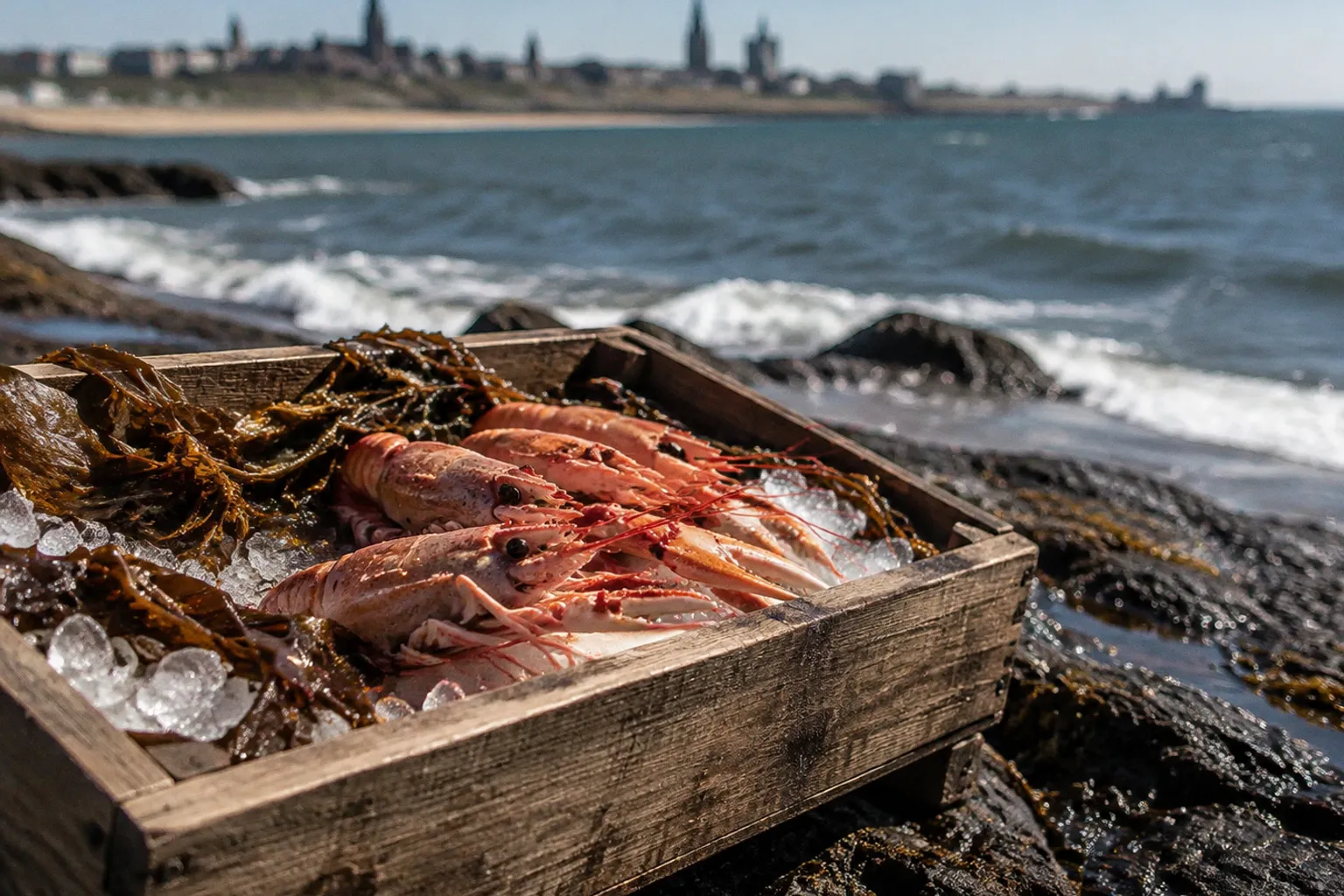
The same principle applies to seafood. Edinburgh coastal seafood restaurants are not all situated directly on the beach, and the promenade should not be approached as a single restaurant district. Some food is casual and daytime-oriented; other options sit on nearby streets and may follow a different service pattern. The shoreline gives the outing its character, but the meal may require moving a few minutes inland.
Portobello’s cultural life also extends beyond ordinary café hours. Beach events, local gatherings and seasonal activity can create temporary changes in the rhythm of the promenade. A busy event day may support later service or additional food stalls, while a quiet weekday in poor weather will produce the opposite effect. Neither pattern should be mistaken for the permanent schedule of every business.
The community impact matters here. Portobello is a residential coastal district, not a blank canvas for visitor demand. A considerate visit supports independent venues without assuming that every frontage must remain open late for outsiders. It also recognises that the promenade serves people who live nearby: dog walkers, swimmers, commuters, families and those who come simply to look at the water.
Planning a winter walk from Portobello towards Joppa
The promenade’s one-to-two-mile Victorian stretch is manageable for most walkers, but winter changes the margin for error. The path remains open, yet the experience can be colder, darker and more exposed than its distance suggests. A walk that feels effortless at noon may feel considerably longer after the last café has closed.
A useful approach is to plan around the strongest part of the day:
1. Start with the forecast and daylight, not the café listing. The coastline is accessible, but weather determines whether the walk is a short promenade stroll or a longer route towards Joppa.
2. Choose the first food stop before leaving. Venues opening around 09:00 or 10:00 can provide a reliable beginning, but not every café follows the same timetable.
3. Keep the main meal inside the daytime window. Around late morning and early afternoon, the greatest number of options are likely to be available.
4. Treat 17:00 as a planning boundary. It is a typical late-afternoon closing point for cafés in autumn and winter, not a formal curfew, but it is a sensible moment to reassess the route.
5. Check public toilet access separately. Summer hours of 10:00 to 18:00 should not be assumed in winter, when council-managed facilities may close earlier.
6. Use Friday as a distinct evening possibility. Some businesses, including Rising Tide Cafe, extend hours on Friday, but that should be confirmed rather than generalised across the promenade.
7. Leave room for the weather to overrule the itinerary. Haar, rain and wind can change the character of the shore quickly; shortening the walk is part of reading the coast properly.
This is also where a beach guest house or seaside accommodation in Edinburgh can be more useful than a generic city-centre base. Staying close to Portobello means the beach can be visited in short intervals: an early walk before breakfast, a return in the clearer afternoon, or a brief turn along the promenade after a meal. The coast does not need to be consumed in one long excursion.
For visitors comparing the area with East Lothian coastal retreats, Portobello offers a different arrangement. It is an urban shore with direct links to Edinburgh, older housing, public transport connections and a dense local community. The Firth is present, but so is the city. That proximity makes the shorter winter café schedule easier to accommodate, provided the visitor understands that the promenade is not designed around continuous evening service.
The practical meaning of seasonal change
The phrase coastal cafe operating hours Edinburgh can suggest a minor search problem: find the opening time, find the closing time, and fit the walk between them. In Portobello, the issue is more cultural than administrative. Café hours express how the neighbourhood negotiates its shoreline through the year.
Summer encourages lingering. Winter asks for intention.
That intention does not require a rigid itinerary. It means knowing that the beach remains open even when the café doors are shut; that 09:00–17:00 is a useful shape for many daytime businesses; that public facilities follow their own seasonal timetable; and that an individual Friday opening cannot stand in for the whole promenade.
Portobello is at its most honest in this arrangement. The promenade offers no guarantee of perpetual service and no manufactured seaside spectacle. It gives you a public path beside the firth, a Victorian coastal edge, a changing tide, and a small number of businesses adjusting their doors to the conditions beyond them.
Plan the meal, leave room for the weather, and walk while there is still light on the water. That is the dependable way to read Portobello in winter.